How to prevent frozen pipes
Learn how to prevent and fix frozen pipes this winter.
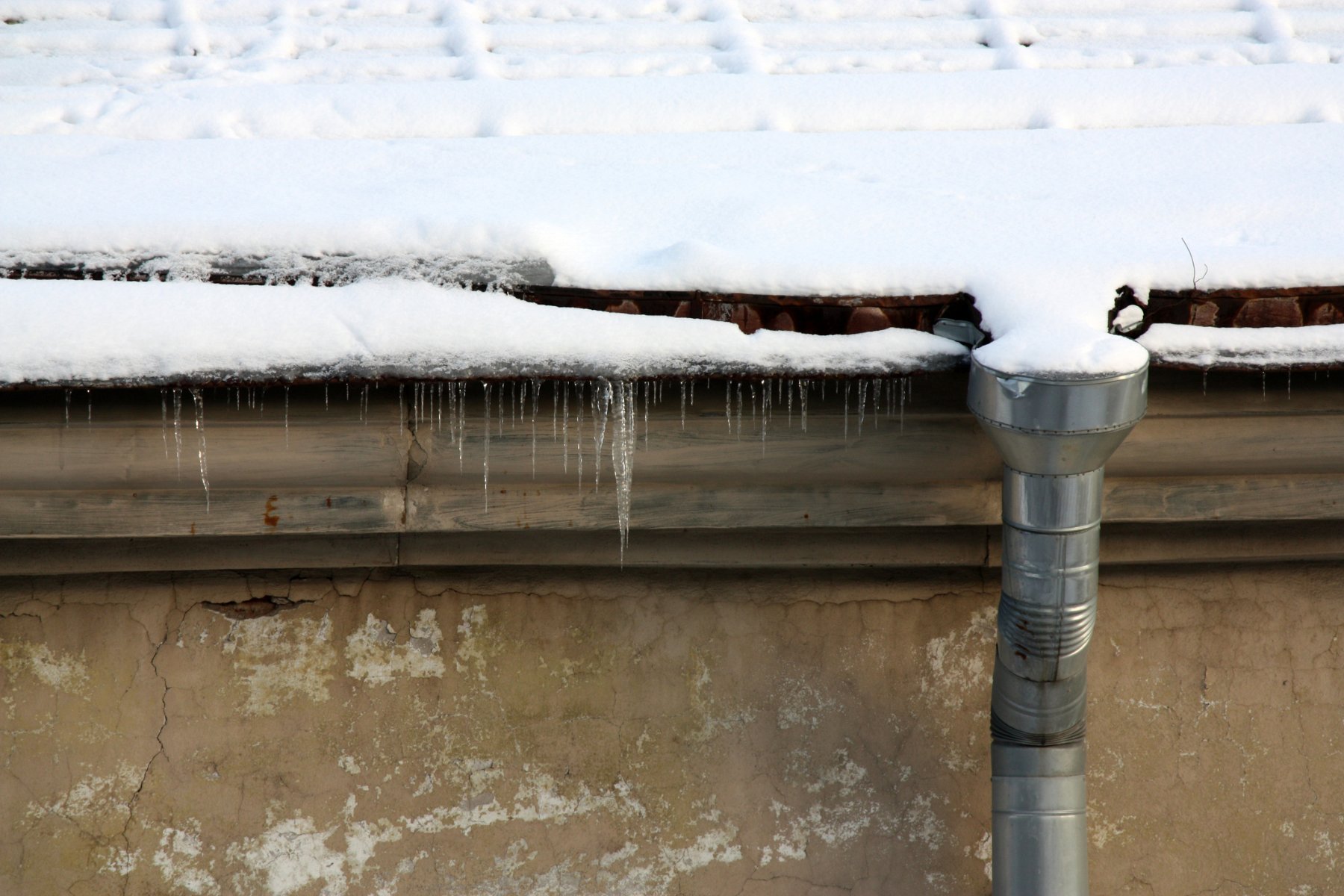
How to Prevent Frozen Pipes
Winter can be tough on your home. When the temperature drops, water inside your pipes can freeze and expand. That pressure can make pipes burst, leading to leaks, flooding, and expensive repairs.
The good news? A few simple steps can stop it from happening. It’s much easier - and cheaper - to prevent frozen pipes than to fix them.
Find out how to protect your home – and make sure your insurance has you covered.
Why Do Pipes Freeze in Winter?
When water freezes, it expands. That expansion puts pressure on the inside of your pipes, which can cause cracks or bursts. Pipes are more at risk in:
- Lofts, garages, and basements
- Homes with poor insulation
- Properties left unheated for a few days or longer
Our Home Insurance covers internal frozen pipes and frost damage, but external frozen pipes, and pipes housed in outbuildings are not covered.
If a frozen pipe causes damage, 1st Central Home Emergency Cover can help with emergency repairs - but frozen pipes that haven’t caused damage aren’t covered. Taking precautions now can save you a lot of stress later.
At What Temperature Do Pipes Freeze?
Pipes can start to freeze at around -6°C, but the risk increases as soon as temperatures fall below 0°C. Exposed or outdoor pipes are the first to be affected.
If you see frost on pipes or notice water pressure dropping, act quickly - your pipes might already be freezing. It is important to make sure that exposed pipes are covered to catch issues before they happen.
How to Check for Frozen Pipes
Here’s what to look for:
- No water or low water pressure from taps
- Frost or condensation on pipes
- Strange smells from drains
- Toilets that don’t refill after flushing
If you think a pipe has frozen:
- Turn off your main stopcock.
- Check pipes in colder areas like lofts, under sinks, or in garages.
- Don’t use open flames or heat guns - we’ll explain safe ways to thaw pipes next.
How to Prevent Frozen Pipes
Insulate Pipes and Tanks
Wrap exposed pipes and water tanks in foam lagging or pipe sleeves. Focus on areas that get coldest, like lofts and garages.
Keep a Consistent Temperature
Set your heating to stay on at least 12–15°C, even overnight or when you’re away. It uses less energy than reheating a frozen system.
Let Warm Air Circulate
Leave cupboard doors open under sinks and around pipes so warm air can reach them.
Turn Off and Drain Outdoor Taps
Disconnect garden hoses and drain outdoor taps before temperatures drop.
Fix Drips and Leaks Early
Even small drips can lead to bigger problems. Fix leaks before winter to reduce freezing risk.
Use Smart Thermostats or Timers
Smart controls keep your heating steady and energy use efficient, so you stay protected without waste.
Leave Heating On When Travelling
Keep your heating on low. It’s the simplest way to avoid frozen pipes while you’re away.
Preventing damage starts with preparation - but home insurance gives you extra peace of mind.
Get a home insurance quote
What to Do If Your Pipes Freeze
If the cold catches you out, here’s what to do:
- Turn off your water supply at the stopcock.
- Open nearby taps slightly to relieve pressure.
- Gently warm the frozen area with a hairdryer, hot towel, or heating pad.
- Once water flows again, check for leaks.
- If a pipe bursts, turn off the water immediately and call a qualified plumber.
Stay Warm and Worry-Free This Winter
A few small actions now can save you a lot of trouble later. Insulate, maintain, and monitor your pipes before the frost sets in.
And if the worst happens, 1st Central Home Insurance is here to help you get back on track quickly.
Get covered this winter with 1st Central Home Insurance.
FAQs
How do I insulate pipes for winter?
Use foam pipe sleeves or insulation tape. They’re easy to fit and widely available in DIY stores.
Does home insurance cover damage from frozen pipes?
Our Home Insurance covers damage from internal frozen pipes, but not pipes that are external or housed in outbuildings.
Can I prevent frozen pipes without heating on?
You can insulate and draught-proof your home, but keeping the heating on low in cold weather is the safest option.