Understanding car tax bands
Learn how UK car tax bands work, how rates are calculated, and what changes are coming in 2026. A simple guide for drivers.
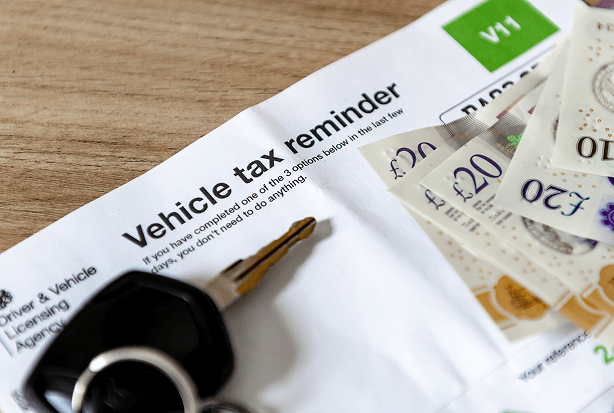
Understanding car tax bands in the UK
If you own a car in the UK, you’ll usually need to pay car tax - officially known as Vehicle Excise Duty (VED). The amount you pay depends on which car tax band your vehicle falls into.
Car tax bands exist to group vehicles based on factors such as emissions and registration date. They’re designed to reflect the environmental impact of different cars. Understanding how UK car tax bands work can help you plan your motoring costs, compare vehicles more confidently, and prepare for any future changes.
What are car tax bands?
A car tax band is a category that determines how much Vehicle Excise Duty a car owner needs to pay.
Vehicles are placed into different car road tax bands based mainly on:
- When the car was first registered
- Its CO₂ emissions
- In some cases, its fuel type and list price
Because the system has changed over time, car tax bands UK drivers pay today can differ depending on the age of the vehicle. Two cars of the same model could fall into different bands if they were registered in different years.
How do UK car tax bands work?
The structure of UK car tax bands depends largely on the date the vehicle was first registered.
Cars registered before March 2001
Older vehicles are taxed based on engine size rather than CO₂ emissions. This system is simpler and only has a small number of categories.
Cars registered from March 2001 onwards
Most vehicles registered between March 2001 and April 2017 are taxed based on their CO₂ emissions. These cars fall into bands labelled by emission levels, with lower-emission vehicles generally paying less.
Cars registered from April 2017 onwards
A newer system applies to these vehicles:
- A first-year rate based on CO₂ emissions
- A standard annual rate from the second year onwards
- An additional charge for vehicles above a certain list price when new
This is why newer cars are taxed differently from older ones. The system has evolved to place greater emphasis on environmental impact and vehicle value.
How is car tax calculated?
If you’re wondering, “what are the car tax bands based on?” - several factors come into play.
The main elements used to calculate car tax are:
- CO₂ emissions – Higher emissions typically mean a higher first-year rate.
- Fuel type – Petrol, diesel, hybrid and electric vehicles may be treated differently.
- Vehicle list price – Some higher-value cars pay an additional annual amount for a set period.
- Registration date – Determines which tax system applies.
For newer cars, the first year of tax (sometimes called showroom tax) is linked directly to emissions. After that, most vehicles move to a standard annual rate.
Rates are set by the government and can change from one tax year to the next.
What changes are coming to car tax bands in 2026?
There are planned changes to car tax bands in 2026 that may affect some drivers.
One of the key expected updates is that electric vehicles (EVs), which have previously benefited from exemptions, are set to move into the standard VED system. This means some EV owners may need to start paying car tax from 2026.
The 2026 car tax bands updates could affect:
- Electric vehicle owners
- Drivers considering switching to an EV
- New car buyers weighing up long-term costs
Government policy can evolve, so it’s worth checking official guidance closer to the time if you’re planning a purchase.
How to check which car tax band your vehicle is in
You can check your vehicle’s tax band using:
- Your vehicle registration number
- The official government vehicle enquiry service
This will show:
- Your vehicle’s registration date
- Its emissions data (if applicable)
- The tax rate that applies
It’s especially useful to check before buying a used car. Understanding the band it falls into helps you factor tax into your overall running costs.
Does your car tax band affect insurance?
Your car tax band doesn’t directly determine your insurance premium.
However, some of the factors that influence tax - such as vehicle value, engine size, and emissions - can also play a role in how insurers assess risk. For example, higher-value vehicles or certain engine types may cost more to insure.
Keeping your vehicle details accurate and up to date is important for both tax and insurance purposes.
To learn more about what influences premiums, read our guide.
Having car tax bands explained in simple terms can make understanding them and managing your motoring costs easier. Car tax is influenced by emissions, fuel type, registration date and, for some vehicles, list price. With car tax band changes on the horizon, staying informed is especially important if you’re considering switching vehicles.
Understanding your car’s tax band is just one part of managing the cost of driving. If you’re reviewing your car details or planning a change, it’s also a good time to check you’ve got the right level of cover in place.
Common questions about car tax bands
What happens if my car tax band changes?
Your car’s band itself won’t usually change, as it’s based on registration date and emissions. However, the rate attached to that band can increase or decrease if the government updates tax rules.
Do electric cars have car tax bands?
Electric vehicles are currently treated differently from petrol and diesel cars, but from 2026 they’re expected to move into the standard VED system. Checking the latest government guidance will give you the most up-to-date position.
Can my car tax go up from one year to the next?
Yes. Car tax rates are reviewed by the government and may change annually, even if your vehicle stays in the same band.